Risk assessments & method statements

Site-specific RAMS writing and review.

SSRAMS means site-specific risk assessments and method statements. Pegasus develops or reviews RAMS for UK contractors, construction, engineering and infrastructure projects, using the task, site conditions and client requirements.

Request your first free RAMS / SSRAMS
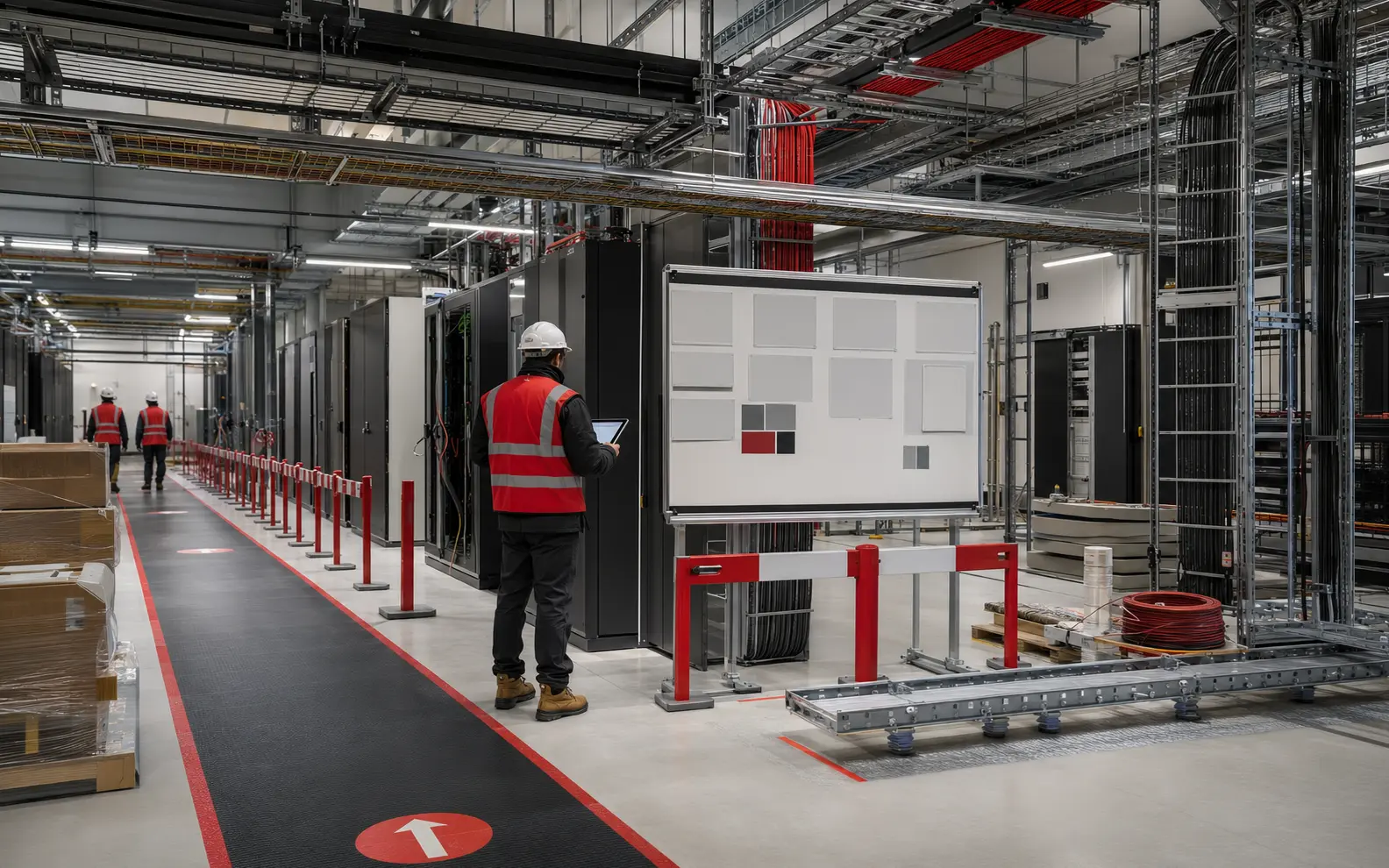
Illustrative data-centre workface with controlled access, barriers and task review
RAMS / SSRAMS · illustrative image

Task controls must match the workface, people, interfaces, hold points and client requirements.

Task-specific assurance

RAMS

Built around the work. Ready for review.

Site conditions, interfaces, permits and hold points are connected to a clear method and practical controls. Client acceptance depends on the specific scope, evidence and reviewer requirements.

Introductory offer

FREE

Your first RAMS or SSRAMS free.

Tell us about the job. Pegasus will confirm the scope of your first document and the site information needed before starting. Client acceptance and delivery dates are not guaranteed; any additional work is agreed separately before it begins.

Request your first free RAMS / SSRAMS

Plan your next step

New RAMS or an existing document to review?

Tell us the work activity, site context and client deadline. We will agree the scope, information needed and delivery arrangements before work starts.

Download the RAMS project-brief checklist (plain text). No signup needed. It helps you prepare a brief; it is not a completed risk assessment.

Who this helps

Built around a buying situation.

  • Principal contractors and subcontractors
  • Construction, engineering and infrastructure delivery teams
  • Project managers preparing for mobilisation or client review

Useful when

The trigger is already visible.

  • You need task-specific RAMS for a new job
  • A client has returned generic or incomplete RAMS
  • Site conditions, equipment or the work sequence have changed

The position

A method statement should run the job.

RAMS means risk assessments and method statements. The risk assessment identifies what could cause harm and the controls needed; the method statement explains the planned sequence of work. SSRAMS means site-specific risk assessments and method statements in this service: both parts address the actual location, task and interfaces. Client terminology and document formats vary, so Pegasus confirms the requirement before writing or reviewing the pack.

01

A method linked to the actual sequence, hazards and controls

02

Visible interfaces, permits, hold points and responsible people

03

A document that can be checked, briefed and kept current

Scope

What the work includes.

Every engagement is scoped around authority, operating context, available evidence and the decision that must be made.

01

RAMS writing

Choose writing support when you need a new pack or the proposed work has materially changed. Pegasus develops the risk assessment and sequenced method from the task and site information supplied, with responsibilities, prerequisites and unresolved questions visible for review.

02

Review existing RAMS

Choose a review when you already have RAMS or client comments. Pegasus checks whether the method, controls and site information align, identifies gaps and records the changes needed. The agreed scope states whether revised documents or review findings are required.

03

What to send

Start with the activity, site or general location, required review date and whether you need writing or review. Then identify the available drawings, existing RAMS, client comments, equipment, substances, access restrictions and site rules. Keep the first enquiry non-confidential; agree a suitable route for project documents.

Method

A controlled route from exposure to evidence.

Decision points, responsibilities and verification stay visible from the start.

01

Agree the requirement

Confirm writing or review, work packages, required format, review date and the people responsible for acceptance.

02

Check the inputs

Review the task and site information. Identify missing drawings, constraints or specialist input before assumptions enter the method.

03

Write or review

Develop the agreed pack or assess existing RAMS. Link the work sequence, hazards, controls, responsibilities and hold points.

04

Resolve comments

Work through the agreed review cycle. Record questions, required changes and the evidence needed to close outstanding items.

05

Issue and brief

Provide the agreed documents and revision record for authorised review and site briefing. Confirm the process for material changes.

Outputs

Evidence designed for use.

Defined work-package scope and list of information gaps

Risk assessment and sequenced method statement for an agreed writing scope

Gap findings and required actions for an agreed review scope

Site-interface, permit, equipment and emergency requirements relevant to the task

Revision record, outstanding decisions and briefing requirements

Professional boundaries

Precision includes saying what the work does not claim.

Questions answered

Before you scope the work.

Is the first RAMS or SSRAMS free?

Yes. Pegasus offers your first RAMS or SSRAMS document free. We agree the job scope and information needed before starting. Site verification, authorised review and workforce briefing still apply. Client acceptance and delivery dates are not guaranteed; any additional work is agreed separately before it begins.

What is SSRAMS?

In site-safety work, SSRAMS means site-specific risk assessments and method statements. It describes the hazards, controls and work sequence for a particular site and activity. Some clients simply call this site-specific RAMS. Ask the requesting organisation which format, supporting information and review process it requires.

What is the difference between RAMS and SSRAMS?

RAMS is the broader name for risk assessments and method statements; SSRAMS makes the site-specific requirement explicit. A useful pack still needs to match the actual work, even if its title says RAMS. Changing the site name on a generic document is not enough.

Does this replace a BT or Openreach SSRAMS assessment?

Do not assume so. BT Business uses SSRAMS for a site-specific assessment and report carried out by an Openreach surveyor in its delivery process. Where a network operator or client requires its own assessment, survey or acceptance route, confirm that requirement with them. Pegasus consultancy does not replace it by default.

What if we do not have all the site information?

Tell us what is available and what is missing. Pegasus can help define the information gaps and agree the next step, including whether a site visit or specialist input is needed. Unknown conditions must not be presented as verified facts, and safety-critical gaps need resolution before work proceeds.

Can Pegasus approve our RAMS or guarantee client acceptance?

Pegasus can develop, review or provide assurance within an agreed role. Client acceptance is not guaranteed. Formal approval, implementation and workforce briefing remain with the people authorised for those decisions. Appointing a consultant does not remove the employer's or contractor's responsibilities.

How are cost and turnaround agreed?

They depend on the activity, number of work packages, available information, site interfaces and whether writing, review or revisions are needed. Send the required review date and any client comments so scope, outputs and delivery arrangements can be agreed before work begins.

Authoritative references

HSE: steps needed to manage riskHSE: construction risk assessments and method statementsHSE: contractor roles and responsibilitiesBT Business: RAMS and SSRAMS in the BTnet delivery process

External references support context; they do not imply endorsement of Pegasus.

Start the conversation

Need RAMS written or reviewed?

Tell us the activity, location, writing or review requirement and required review date. We will agree the information, scope and delivery arrangements before work begins. Keep the first enquiry non-confidential.

Request a RAMS quote